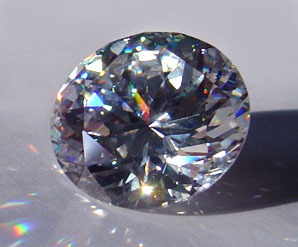
What Every Buyer Should Know Before Choosing Diamond Engagement Rings

Few purchases carry the emotional weight of an engagement ring. It is a symbol meant to last a lifetime, and yet many buyers walk into the process with little more than a vague budget and a vague idea of what they want. The diamond market is nuanced, the terminology can be overwhelming, and the stakes feel impossibly high. Understanding the fundamentals before you shop is not just practical — it is essential to making a decision you will never regret.
The Diamond Market Is More Complex Than It Appears
Diamonds are not a uniform commodity. Two stones of identical carat weight can differ dramatically in price, brilliance, and long-term value based on subtle differences in cut quality, color grade, and clarity characteristics. The global diamond trade reflects this complexity at every level, from rough stone auctions to finished retail settings. In recent years, high-profile events such as a major diamond auction held in Abu Dhabi have illustrated just how dynamic and internationally driven the diamond market truly is. Rare stones command extraordinary premiums, while the everyday consumer market operates on its own set of pricing principles that reward informed buyers.
Understanding this broader context helps buyers appreciate why two seemingly similar rings at a jewelry counter can differ by thousands of dollars. The difference is rarely arbitrary — it reflects real distinctions in stone quality, craftsmanship, and sourcing.
The Four Cs: A Framework, Not a Formula
Most buyers have heard of the Four Cs — cut, color, clarity, and carat weight. What fewer people understand is how these factors interact with one another and how personal priorities should shape the trade-offs. A buyer who prioritizes maximum sparkle should weight cut quality above all else, since it is the primary driver of a diamond's visual brilliance. Someone working within a tighter budget might choose to sacrifice slightly on color or clarity in grades that remain invisible to the naked eye, redirecting that savings toward a better cut or a more elegant setting.
Cut Quality: The Most Overlooked Priority
Of all the Four Cs, cut is the one most directly within human control and the one most responsible for how a diamond looks in real life. A poorly cut stone of high clarity will appear dull and lifeless. An excellently cut stone of modest clarity will dazzle. Grading reports from reputable laboratories such as the GIA or AGS provide cut grades that buyers should treat as a primary filter, not an afterthought.
Color and Clarity: Where Smart Trade-Offs Live
Color grades range from D (colorless) to Z (noticeable yellow tint). For most buyers, stones in the G to I range offer an excellent balance of near-colorless appearance and value. Similarly, clarity grades from VS2 to SI1 typically contain inclusions that are invisible without magnification, making them a practical choice for buyers who want quality without paying for perfection that cannot be seen. These are the kinds of nuanced decisions that separate an informed buyer from one who simply pays more for a certificate grade.
Setting Styles and Their Impact on the Overall Look
The setting is not merely a vessel for the diamond — it is an integral part of the ring's character. A solitaire setting places the entire visual focus on the center stone, making cut quality even more critical. A halo setting surrounds the center diamond with smaller accent stones, creating the illusion of greater size and adding a vintage or glamorous aesthetic. Pavé and channel settings along the band add brilliance and texture without dramatically increasing the overall cost.
Metal choice also plays a meaningful role. Platinum offers durability and a naturally white finish that complements colorless diamonds. White gold provides a similar look at a lower price point but requires periodic rhodium plating to maintain its finish. Yellow and rose gold have surged in popularity in recent years, offering warmth and a romantic contrast against the diamond's brilliance.
Budgeting Realistically Without Sacrificing Quality
The outdated notion that an engagement ring should cost two or three months' salary has largely given way to a more practical approach: spend what you can afford without financial stress, and spend it wisely. A thoughtful budget allocation — prioritizing cut quality, choosing a slightly lower color or clarity grade, and selecting a setting that complements rather than competes with the stone — can yield a stunning ring at almost any price point.
For buyers who want to go deeper into the numbers and the decision-making process, resources that break down essential facts about engagement ring costs, settings, and buying strategies can be genuinely valuable tools for planning a purchase with confidence.
Certification and Provenance: Non-Negotiables
Every diamond purchased as a significant investment should come with a grading certificate from an independent, reputable laboratory. This document provides an objective assessment of the stone's characteristics and serves as a permanent record of what you purchased. Beyond certification, buyers are increasingly attentive to ethical sourcing. Conflict-free diamonds, responsibly mined stones, and lab-grown alternatives each represent different points on a spectrum of values that buyers must weigh for themselves.
Leon Diamond: A Trusted Source for Discerning Buyers
When it comes to finding a ring that balances beauty, craftsmanship, and value, the retailer you choose matters as much as the stone itself. Leon Diamond has built a reputation for offering an exceptional selection of diamond engagement rings that reflect both timeless elegance and modern sensibility. With a curated inventory and a commitment to transparency, Leon Diamond provides buyers with the guidance and quality assurance needed to make one of the most meaningful purchases of their lives.
Their collection spans a wide range of styles, from classic solitaires to intricate vintage-inspired designs, ensuring that every buyer can find a ring that feels genuinely personal rather than generic.
Final Thoughts: Knowledge Is the Best Investment
Buying an engagement ring is one of the few purchases where emotional significance and financial investment converge so completely. The best approach is neither to rush nor to overthink, but to arrive informed. Understanding how diamonds are graded, how settings affect appearance, how to allocate a budget intelligently, and how to identify a trustworthy retailer transforms what can feel like an overwhelming process into a genuinely rewarding one. The ring you choose will be worn every day for decades — it deserves the care and consideration that only a well-informed buyer can bring to the decision.