Engagement Ring Calendar: A Week-by-Week Timeline for Budgeting, Shopping, Proposing, and Aftercare
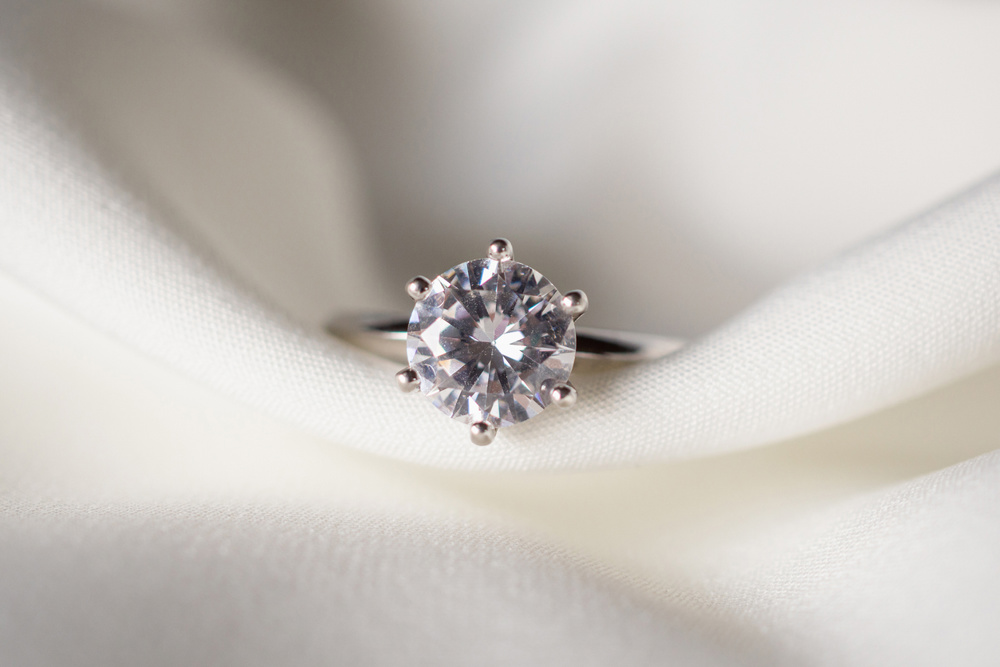
From surprise proposal videos to perfectly staged ring reveals, engagements have become part of a broader social narrative shaped by social media expectations. The pressure isn’t just to propose—it’s to propose well. The ring, the timing, the setting—everything feels more visible, more permanent, more shared. That visibility has changed how people plan.
What used to be spontaneous now often requires months of preparation. Not because love has changed—but because the way we present it has. A thoughtful engagement ring timeline doesn’t just help you stay organized. It helps you navigate expectations, avoid unnecessary stress, and focus on what actually matters. Here’s how to approach the process step by step—without losing sight of the meaning behind it.
How Early Should You Start Engagement Ring Planning?
Planning an engagement ring purchase well in advance isn't just helpful—it's often necessary. Research shows that 57% of proposers begin their search more than 6 months before the proposal, while 45% start at least 5 months out. These numbers reflect real logistical demands, not just preference.
A reasonable ring shopping timeframe starts 2–3 months before your planned proposal. This window gives you enough time to research, visit jewelers, and finalize a design without rushing. If you're considering custom or made-to-order styles, complex designs can take 6–10+ weeks to complete.
Start by identifying your preferred ring features early—style, stone type, metal, and budget. Knowing these details upfront streamlines every step that follows, from initial consultations to final production, keeping your timeline on track. Look for a jeweler who offers transparent pricing and certified gemologists to ensure you're getting expert guidance without any pressure to decide before you're ready.
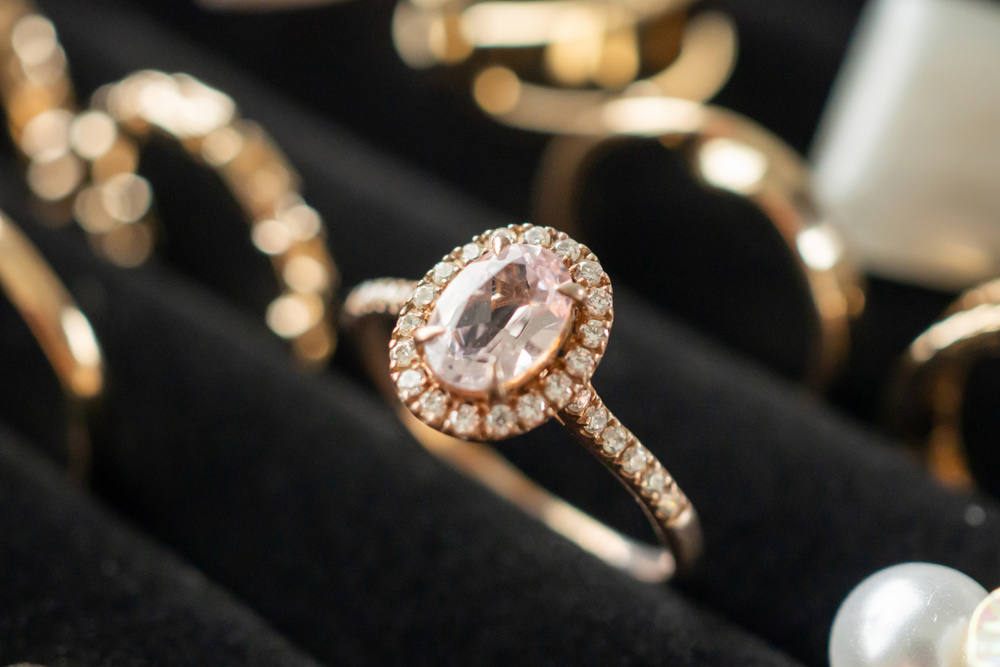
Pick Your Proposal Month Before You Do Anything Else
Before you research a single stone or set foot in a jeweler, lock in your proposal month. This single decision shapes your entire timeline.
Romantic season planning matters because over 30% of proposals happen between late November and early February. December alone accounts for 19% of U.S. proposals, driven by festive proposal opportunities like Christmas Day, Christmas Eve, and New Year's Day. Family gatherings during this window make it easier to involve loved ones, which 32% of proposers do.
But holidays aren't your only option. Planned trips, meaningful anniversaries, and scenic destinations work just as well. What matters is committing to a month early. Since 70% of buyers finalize their ring within two months of proposing, knowing your date keeps your budget, shopping, and planning on track. In fact, 40% of engagements occur during the holiday season alone, making early planning especially critical if you have your heart set on a festive backdrop.
Create your own calendar to plan your engagement ring shopping!
Set Your Engagement Ring Budget Before You Browse
One of the biggest pressures in modern engagement culture comes from comparison. When you’re constantly seeing large diamonds and elaborate designs online, it’s easy to lose track of what’s realistic. That’s why setting your budget early is essential.
Forget outdated rules like the “three-month salary” guideline—it was created for marketing, not for your financial well-being. Instead, base your budget on your actual income, expenses, and priorities. Consider what else you’re planning—wedding costs, travel, or future savings—and build your number around that.
Today’s buyers are more intentional. Many couples openly discuss budgets and preferences, shifting away from secrecy toward collaboration. That shift reflects a broader cultural change: engagement rings are no longer about proving something—they’re about aligning with what feels right. A well-set budget doesn’t limit you. It gives you clarity.
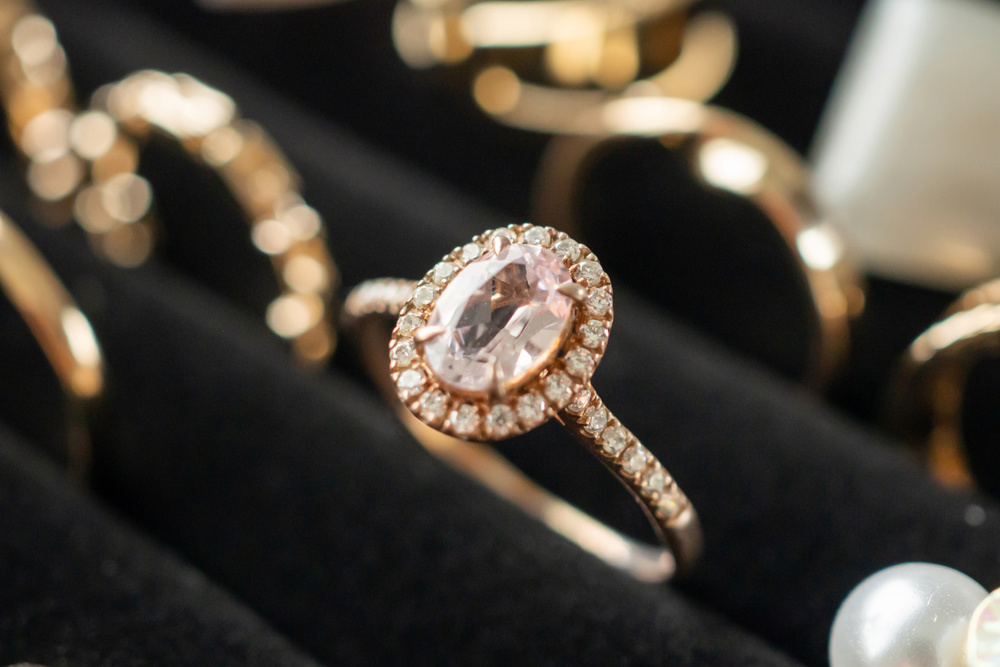
Weeks 1–4: Research, Inspiration, and Reading Between the Lines
The first month is about understanding style—not just trends, but personal taste. This is where pop culture plays a major role. Social media feeds, celebrity rings, and curated “dream ring” boards shape what feels desirable. Oval diamonds, vintage cuts, and yellow gold settings are all trending heavily right now, largely because they’re widely seen and shared.
But this stage isn’t about copying—it’s about observing. Pay attention to what your partner gravitates toward. Notice saved posts, casual comments, or reactions to other rings. Many people drop hints long before a proposal is even discussed. At the same time, explore your options:
- Diamond vs. colored gemstone
- Classic vs. vintage-inspired settings
- Minimal vs. statement designs
The goal is to narrow direction, not finalize decisions. Think of this phase as building awareness—of both trends and preferences.
Weeks 5–8: Seeing Rings in Real Life
After weeks of online browsing, this is where things become tangible. Visiting jewelers gives you something social media can’t: scale, weight, and real-world presence. A ring that looks perfect on a screen might feel completely different in person. This stage is also about comparison. Visit multiple stores, ask questions, and take your time. Pay attention to:
- Stone quality and certification
- Setting durability
- Pricing differences
- Customization options
If you’re considering a custom ring, this is the time to start. Custom designs allow for personalization, but they require more time and decision-making. This phase bridges inspiration and commitment. By the end of it, you should feel confident enough to move forward.
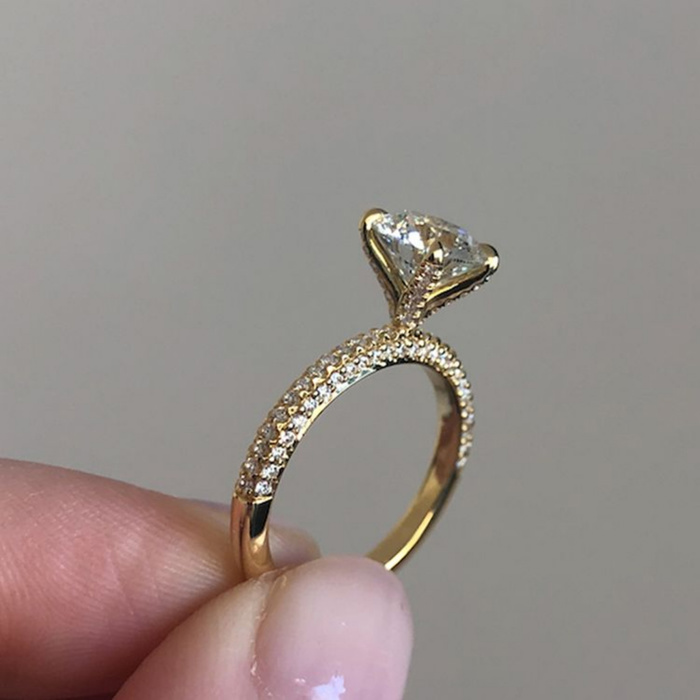
Custom vs. Pre-Designed Engagement Rings: Which One Fits Your Timeline?
One of the biggest decisions you'll face when buying an engagement ring is choosing between a custom-designed piece and a pre-designed one—and your timeline will heavily influence that choice. Custom rings offer unmatched customization level. Think of engravings, rare gemstones, or heirloom settings—but require 6–8 weeks minimum for design and creation.
If your purchase timeline flexibility is limited, a pre-designed ring delivers faster, often arriving in under four weeks. You'll see exactly what you're buying, with fewer decisions and fixed costs. However, pre-designed rings sacrifice personalization and may carry retail markups.
If you're somewhere in between, many jewelers offer middle-ground options—modifying an existing design slightly without the full custom commitment. Match your choice to your timeline, not the other way around. A custom ring also opens the door to adding meaningful personal touches, like birthstones or hidden messages, that make the piece truly one of a kind.
Weeks 9–12: Buy Your Engagement Ring and Confirm Delivery
By weeks 9–12, you're ready to place your order and lock in your delivery. In-stock rings arrive within days, while made-to-order pieces take 3–6 weeks. Custom designs need 4–6 weeks of crafting, so confirm your jeweler's timeline before placing the order.
Once you've paid, verify the delivery window carefully. Most orders arrive within 6–10 weeks, but complex customs or rare stones can push that to 10+ weeks. Shipping guarantees discreet delivery timing, keeping the surprise intact for your proposal.
When your ring arrives, focus on verifying jewelry quality immediately. Check the stone, setting, and sizing before the proposal date. If adjustments are needed, schedule them promptly. Also confirm return and warranty policies now, and insure the ring as soon as it's in your hands. Many jewelers also offer financing plans or flexible payment options, so if you stretched your budget during this stage, explore those arrangements before finalizing your purchase.
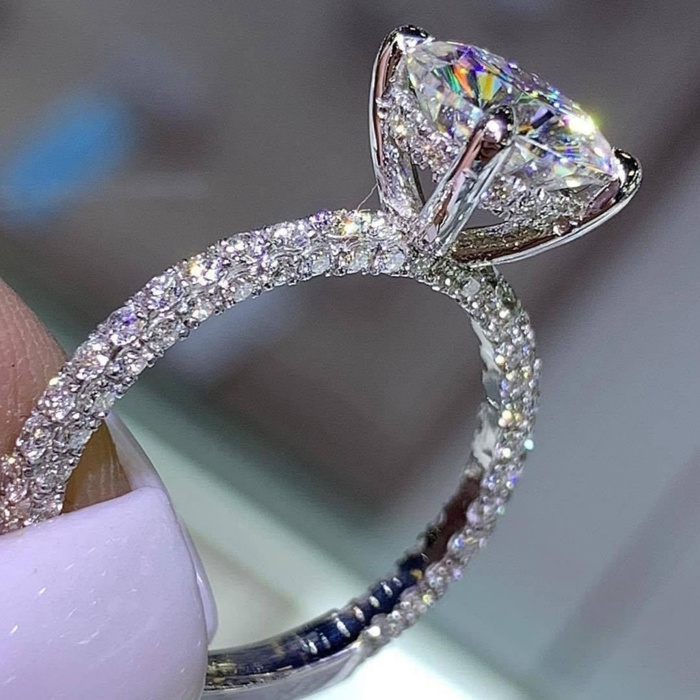
The Week Before the Proposal: Logistics, Location, and the Ring
With the ring secured, the week before your proposal is about locking in every detail so nothing derails the moment. Confirm vendors, reservations, and any permits for your chosen location. Scout the spot carefully to avoid unexpected proposal interruptions like conflicting events or crowds.
Rehearse your speech, incorporating a personal memory or inside joke to keep it authentic. For securing ring location secrets, move the ring from its hiding spot only during day-of preparations. Carry it in a slim velvet bag or small case to avoid suspicious bulges. Keep it out of harm's way until the moment arrives.
Finalize your outfit, prepare atmosphere elements like flowers or Prosecco, and arrange any post-proposal details, such as a photographer or celebratory dinner reservation. When booking your proposal photographer, review their portfolio to ensure their style aligns with your vision for the moment. Consider sending advance Save the Date invitations to close friends and family so they can be available for a post-proposal celebration.
Resize, Insure, and Announce: What Happens Right After She Says Yes
After she says yes, three practical matters move to the front of the line: resizing the ring, insuring it, and sharing the news. Most standard resizes take 3–7 days and cost $50–$200, though complex designs can run higher and take longer. Once you get the ring back, obtain appraisal documentation immediately so the value reflects any resizing changes.
From there, add a jewelry rider to your existing homeowner or renter policy, or purchase standalone coverage. Annual premiums typically run 1–2% of the ring's appraised value—a small price for protecting something irreplaceable.
Finally, tell family first, then friends, before posting online. If you announce on social media, professional photos remarkably boost engagement. Most couples share the news within 24 hours, so have your plan ready. Keep in mind that rings with intricate designs or eternity bands can take significantly longer to resize, so factor that into your timeline before any upcoming events.
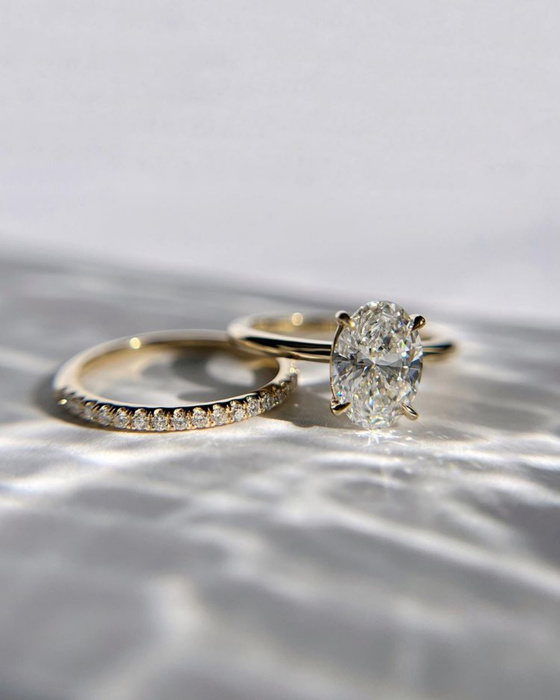
Shopping for Wedding Rings After the Engagement
Once the engagement ring is on her finger, wedding band shopping moves onto your radar sooner than most couples expect. Start your coordinated wedding band selection 3–4 months out, bringing her engagement ring to every appointment to confirm stacking compatibility and design cohesion.
Standard bands require 8–12 weeks minimum for selection and sizing. Custom designs extend the timeline to 12–16 weeks, especially with rare stones or complex metalwork. Engraving personalization options and special metal modifications add additional weeks, so confirm turnaround times early. Holiday weddings demand even earlier shopping due to longer jewelry processing delays.
Schedule jeweler consultations in advance, lock in material pricing when possible, and build adjustment time into your broader wedding planning calendar. Popular styles and metals can have limited inventory availability, so identifying your preferred options early prevents last-minute compromises on design.
Conclusion
Planning an engagement ring today means navigating more than logistics—it means navigating expectations. Pop culture, social media, and visibility have all reshaped the process. They’ve introduced new ideas, new pressures, and new possibilities. But they’ve also made one thing clear: there’s no single “right” way to do this.
The most successful timelines aren’t the most elaborate—they’re the most intentional. When you plan with clarity, communicate openly, and focus on what actually matters, the process becomes less overwhelming and more meaningful. Because in the end, the ring, the proposal, and the timeline all serve one purpose. Not to impress—but to reflect something real.