Austin’s Top Outdoor Spots for Engagement and Wedding Shoots
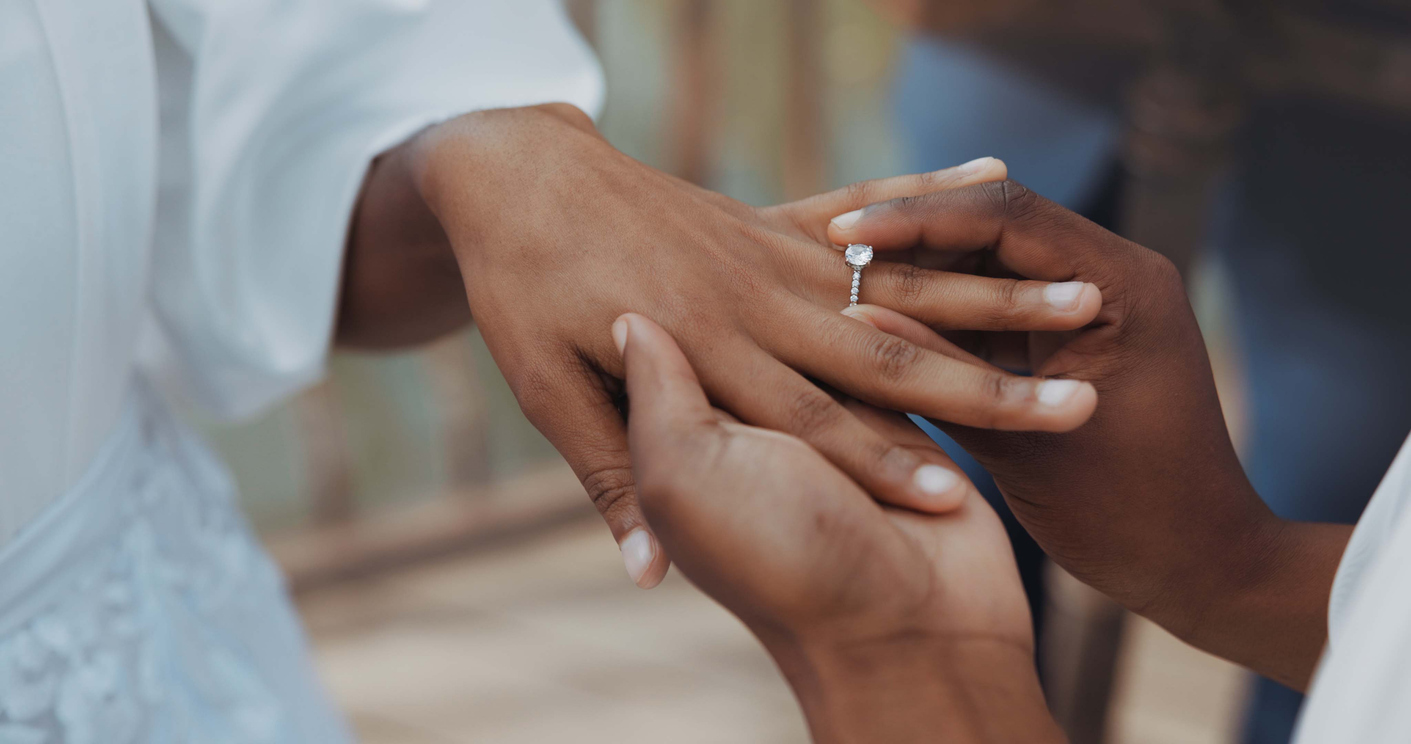
Austin offers a wide range of outdoor settings for engagement photos, bridal portraits, and wedding-day images, from native gardens and skyline overlooks to creekside parks and Hill Country venues. Well-known options include the Lady Bird Johnson Wildflower Center, Zilker Botanical Garden, Auditorium Shores, and the Barton Creek Greenbelt, each offering a different visual style for couples who want something natural, urban, or distinctly Central Texas.
Season and timing matter just as much as location. Spring is one of the most popular windows for wildflowers, while late-afternoon and sunset sessions usually provide the softest light for portraits. Couples should also check photography rules in advance, since some venues require permits, reservations, or formal photo appointments.
Natural Parks for Authentic Austin Engagement Photos
Austin’s natural parks give couples a more relaxed and organic look, with water, limestone, trails, and tree cover creating strong backdrops for portraits. Bull Creek District Park is popular for its creek setting and rocky landscape, while McKinney Falls State Park offers waterfalls, limestone shelves, and wooded scenery that works especially well for adventurous outdoor sessions. The Barton Creek Greenbelt is another standout, with more than 12 miles of trails, swimming holes, and limestone cliffs.
Zilker Metropolitan Park also works well for couples who want variety in one location, since it combines open lawns, tree-lined areas, and easy access to nearby skyline views. These parks are best for couples who want images that feel outdoorsy, natural, and unmistakably Austin.
Urban Skyline and Waterfront Photo Locations
For couples who want a more urban Austin look, the waterfront near downtown offers some of the city’s strongest engagement-photo backdrops. Auditorium Shores remains one of the best-known choices because it combines open lawn space with direct views of the downtown skyline across the water. Nearby areas around Lady Bird Lake, including the boardwalk and pedestrian bridges, also give photographers strong skyline angles and reflective water views.
The Pennybacker Bridge overlook, often called the 360 Bridge overlook, offers a more dramatic elevated setting with views over Lake Austin and the bridge below. It is visually striking, but it is also more rugged and less convenient than downtown locations, so it works best for couples comfortable with a short uphill walk and more limited access.
Garden Venues and Nature Preserves With Year-Round Appeal
Austin’s gardens are among the city’s most reliable outdoor photo locations because they offer curated landscapes in multiple seasons. The Lady Bird Johnson Wildflower Center is one of the strongest choices for couples who want a native Texas setting, with gardens, meadows, arboretum areas, and seasonal wildflower displays. It is also an established wedding and portrait location, and formal photography must be scheduled under the center’s photo policy.
Zilker Botanical Garden is another excellent option, with interconnected themed gardens including the Taniguchi Japanese Garden, Hartman Prehistoric Garden, and Rose Garden, plus koi ponds, streams, and heritage live oaks. For a more intimate garden setting, Mayfield Park and Cottage offers lily ponds, stone walls, palm trees, and its well-known roaming peacocks, giving couples a more historic and tucked-away atmosphere.
Permits and Photography Policies at Austin Photo Locations
Many of Austin’s most popular photo locations allow engagement and wedding photography, but some venues require permits, reservations, or scheduled photography sessions.
For example, the Lady Bird Johnson Wildflower Center requires professional photography sessions to be booked in advance, and photographers must follow the center’s official photo policy. This helps manage visitor traffic and protects the native plants and gardens.
State parks such as McKinney Falls State Park generally allow photography but still require park entrance fees and adherence to park regulations. Larger wedding shoots or sessions involving props, equipment, or multiple vendors may require additional approval.
Before scheduling a session, couples should always check the venue’s official website or contact staff to confirm permit requirements, operating hours, and any restrictions on tripods, drones, or large equipment.
Hill Country Ranches for Rustic Austin Engagement Sessions
Couples looking for a rustic style often choose Hill Country venues outside the urban core, where ranches and event properties offer open fields, oak trees, and wider sunset views. These venues can work especially well for couples planning both engagement sessions and wedding-day photography in one place.
Because ranch venues vary widely in access, acreage, and photo policies, it is best to confirm details directly with the property before planning a shoot. In many cases, these locations are better suited to booked events or arranged sessions than casual drop-in photography. This style works best for couples who want a more private setting and a stronger Hill Country atmosphere than city parks can provide.
How to Choose Your Ideal Austin Photo Location Style
The best photo location depends on the kind of images you want. Couples drawn to a romantic garden style often prefer places like the Wildflower Center, Zilker Botanical Garden, or Mayfield Park. Couples who want something more natural and adventurous usually gravitate toward Bull Creek, McKinney Falls, or the Barton Creek Greenbelt.
If skyline views matter most, Auditorium Shores and the waterfront around Lady Bird Lake are stronger choices. If you want something more dramatic and elevated, the Pennybacker Bridge overlook may be a better fit. Couples who want colorful storefronts, murals, or a more energetic urban feel may also prefer South Congress or other central neighborhoods for part of the session.
Best Austin Photo Locations by Wedding Style
Austin offers a variety of engagement and wedding photography settings, and many couples choose locations that reflect the overall style or theme of their wedding.
Couples looking for modern skyline backdrops often choose waterfront areas such as Auditorium Shores, Lady Bird Lake boardwalk, or pedestrian bridges with clear views of downtown Austin.
For a more romantic garden atmosphere, locations like the Lady Bird Johnson Wildflower Center, Zilker Botanical Garden, and Mayfield Park and Cottage provide landscaped paths, flowering plants, and historic architecture that photograph beautifully throughout the year.
Couples planning a rustic or Hill Country wedding aesthetic often choose ranch venues or natural areas outside the city, where oak trees, limestone terrain, and open fields create classic Texas scenery.
Matching the location style with the couple’s overall wedding theme helps create consistent imagery across engagement photos, invitations, and wedding-day portraits.
Hidden-Gem Austin Spots Off the Beaten Path
Some of Austin’s best photo settings are quieter locations that do not feel as crowded as the most famous skyline spots. Bull Creek District Park offers limestone, water, and tree cover in a setting that feels more secluded than downtown. Brushy Creek Lake Park in the north metro offers water, trails, and greenery for couples willing to travel outside central Austin. McKinney Falls State Park is another strong option for couples who want waterfalls and rock formations without relying on a more formal garden venue.
These locations are especially useful for weekday sessions or early-morning shoots, when foot traffic is lighter and couples can get more privacy in the frame.
Practical Planning Factors for Austin Photo Sessions
When choosing an outdoor photography location, couples should consider several practical details beyond scenery.
Parking availability can vary widely depending on the park or neighborhood. Popular areas like Zilker Park and Auditorium Shores can become crowded on weekends or during festivals, so planning for additional walking time may be necessary.
Walking distance and terrain are also important. Some locations—including Barton Creek Greenbelt or the Pennybacker Bridge overlook—require short hikes or uneven trails to reach the best viewpoints. Comfortable footwear is often recommended for these areas.
Couples bringing pets should also confirm pet policies, since many Austin parks allow dogs but require leashes and restrict access in certain natural areas.
Considering these factors in advance can make engagement sessions smoother and help photographers plan the most efficient route between photo spots.
When to Shoot: Seasonal and Golden Hour Planning
In Austin, spring and fall are usually the easiest seasons for outdoor engagement and wedding photos. Spring is especially popular because of wildflowers, including bluebonnets and Indian paintbrush, while fall often brings more comfortable temperatures and warm evening light. The Wildflower Center specifically promotes spring as a strong time to experience Texas wildflowers.
For lighting, the most flattering time for most outdoor portraits is typically the last hour before sunset. Couples planning outdoor ceremonies often benefit from scheduling the ceremony so portraits can happen during late-afternoon or golden-hour light. Summer sessions can still work, but early morning or evening is usually better than midday because of the harsher sun and heat.
Weather and Seasonal Conditions for Austin Photo Shoots
Weather conditions can significantly influence outdoor engagement and wedding photography in Austin.
Heavy rain can raise creek levels and create muddy trails in areas such as Barton Creek Greenbelt and Bull Creek, which may limit access to certain locations. After storms, photographers may need to adjust locations or reschedule outdoor sessions.
During the summer, temperatures frequently climb into the upper 90s or above 100°F, making early morning or sunset sessions more comfortable for couples and photographers.
Spring and fall are often the most popular seasons for outdoor photography because of milder temperatures, wildflowers, and comfortable lighting conditions.
Planning a backup location—or an alternate date—helps ensure that weather changes do not disrupt important engagement or wedding photo sessions.
Related posts